HUG ME MOMMY I FEAR THE MOTH MAN ATE MY FRENULUM
Drag Queen
A veneer drag-knife cutter built on a cheap gantry laser / a guide, with every part
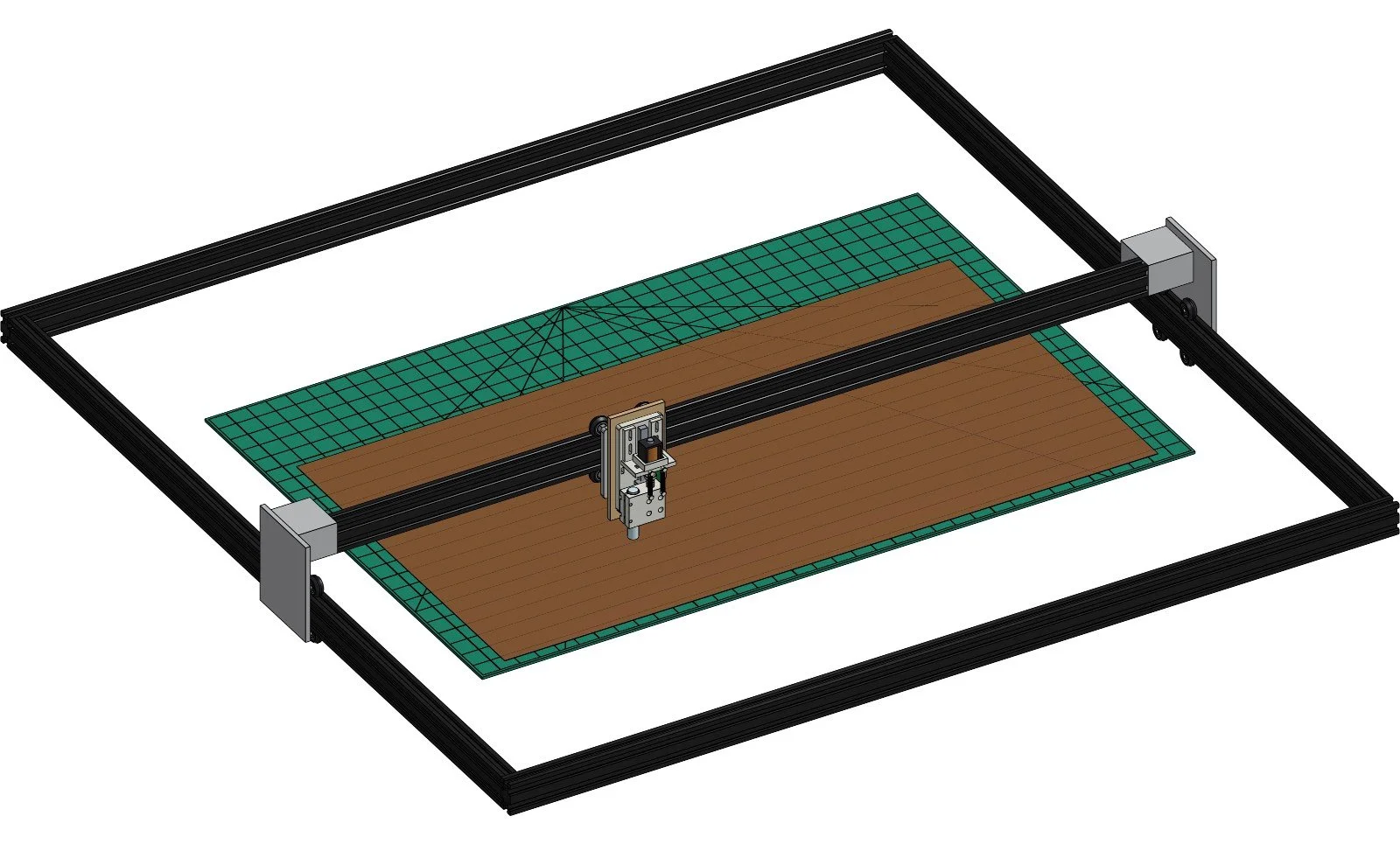
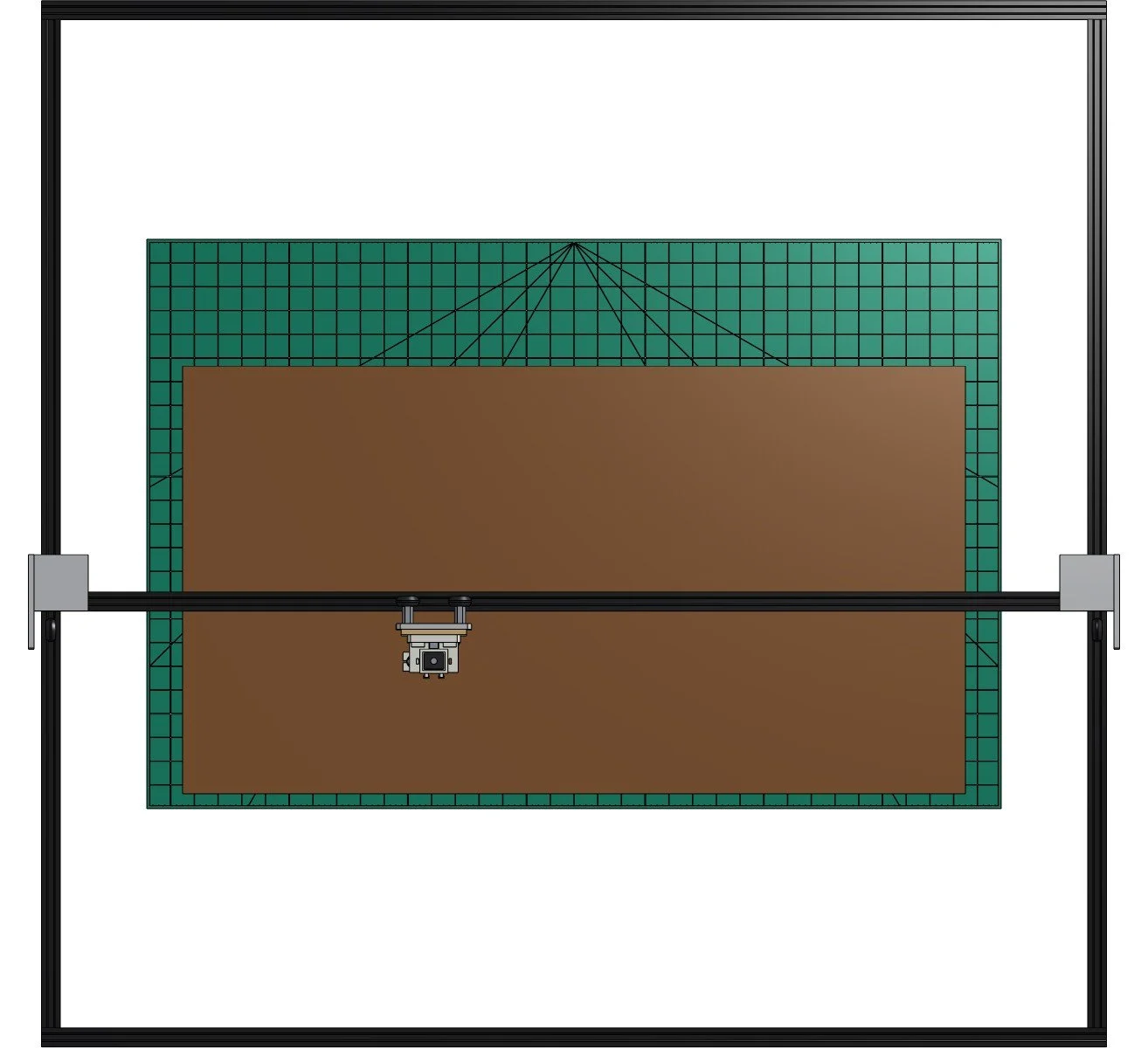
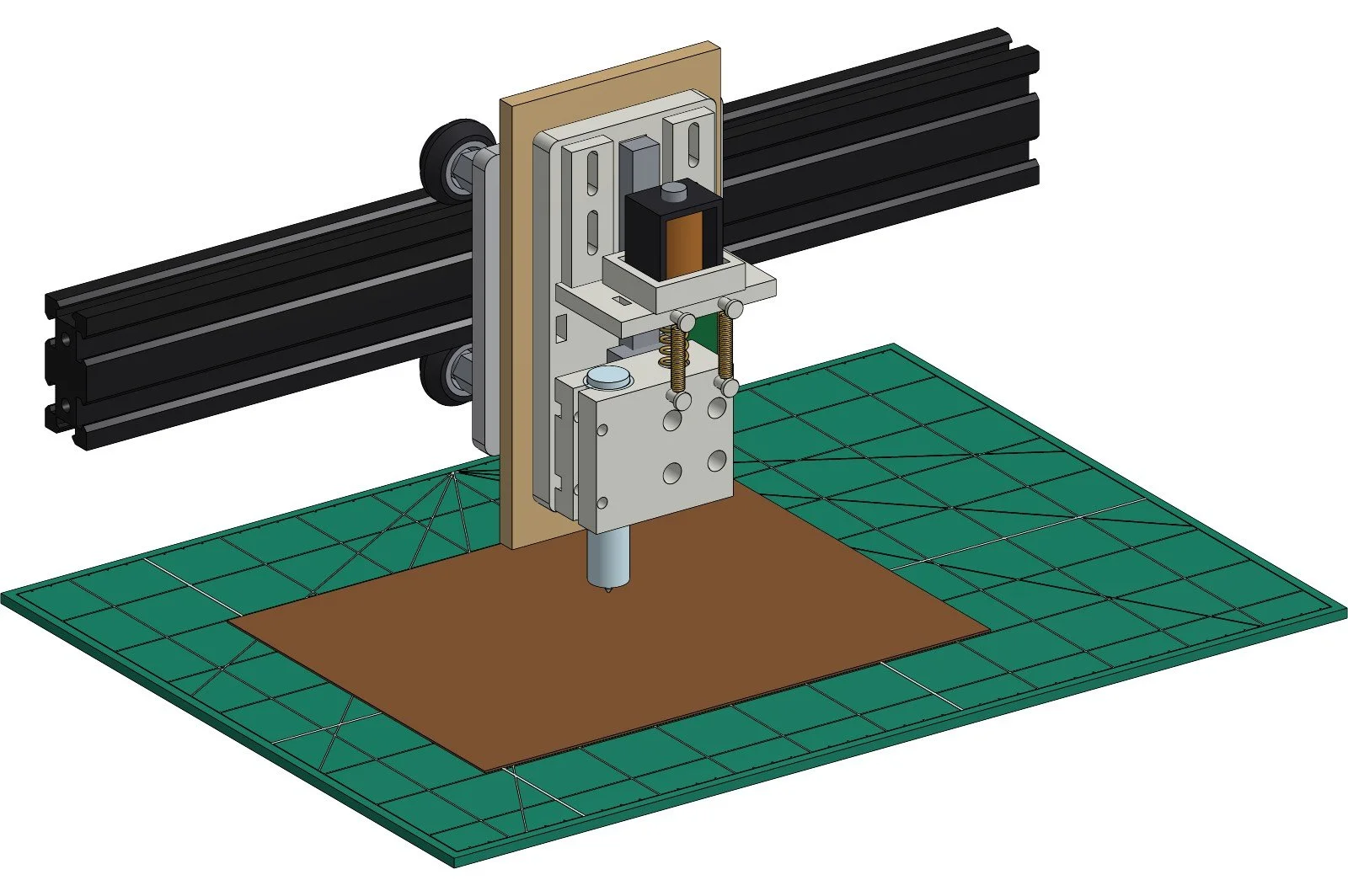
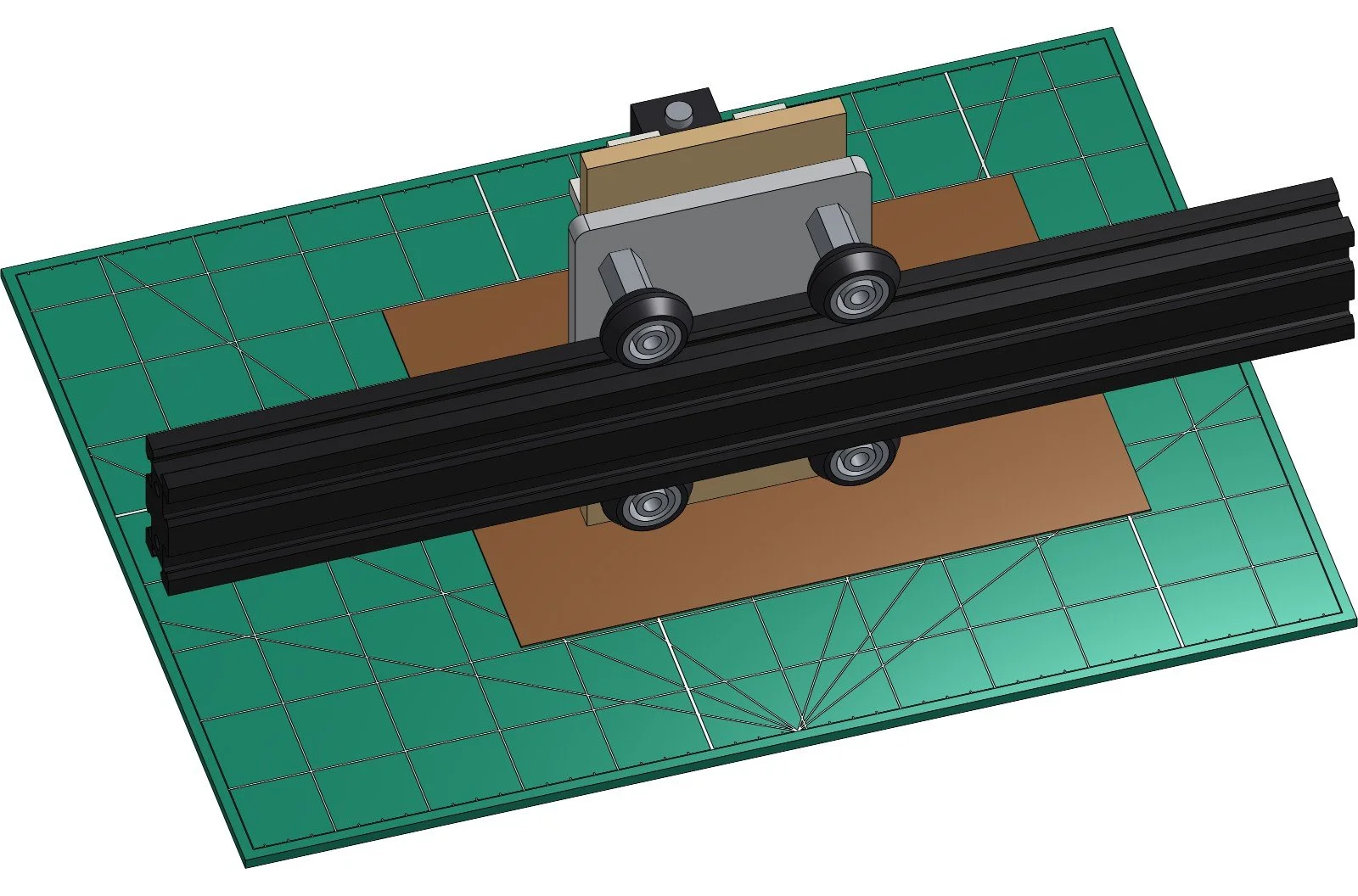
A gantry diode laser already knows how to follow a vector file. Drag Queen swaps the burning for cutting: a 3D-printed head holds a swivel drag knife on a small linear rail, and a 12 V solenoid, switched by the laser’s own signal, pushes the blade down whenever the “laser” turns on. Springs lift it when it turns off. So any laser software cuts veneer straight from an SVG, on a bed that takes a full 36 × 18 in sheet.
How it works
Laser off: blade up / laser on: blade down
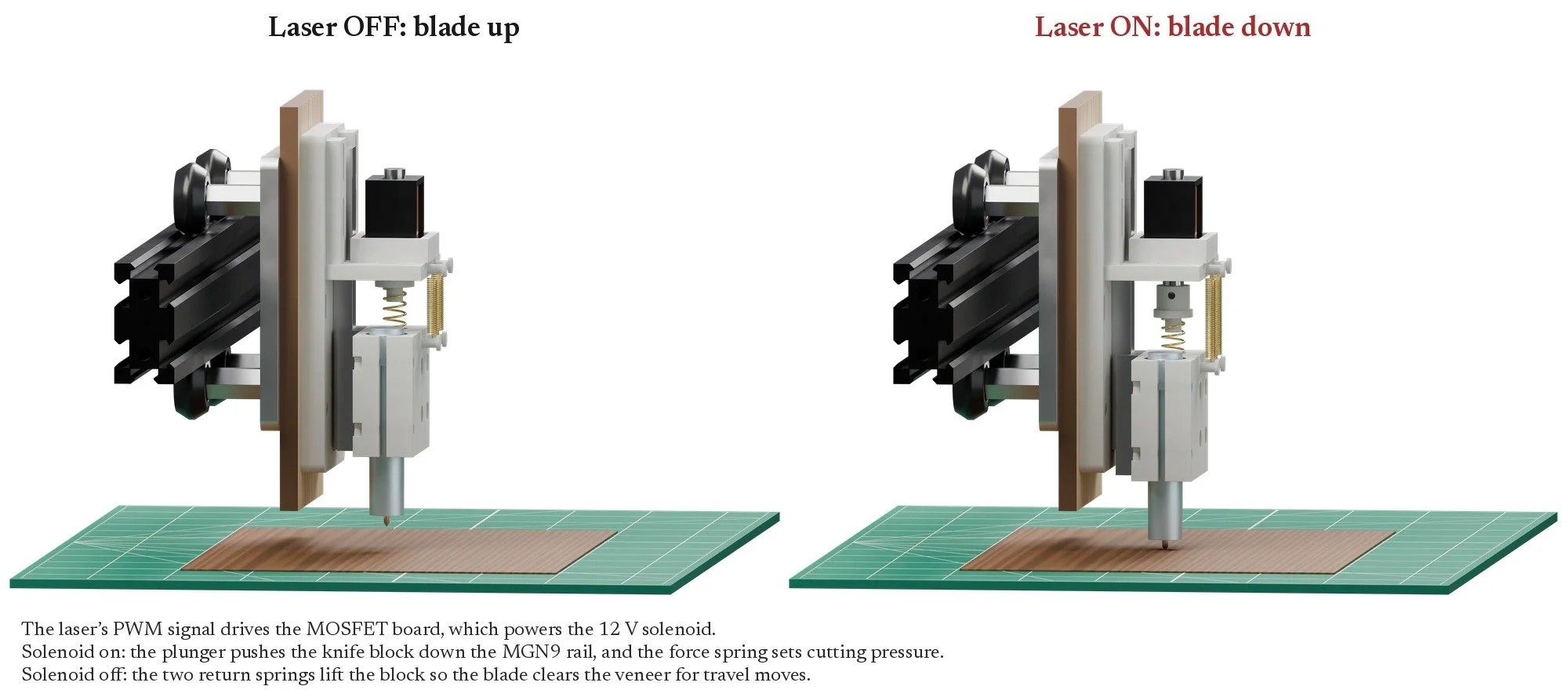
- Laser off. Two return springs hold the knife block up, so the blade clears the veneer on travel moves.
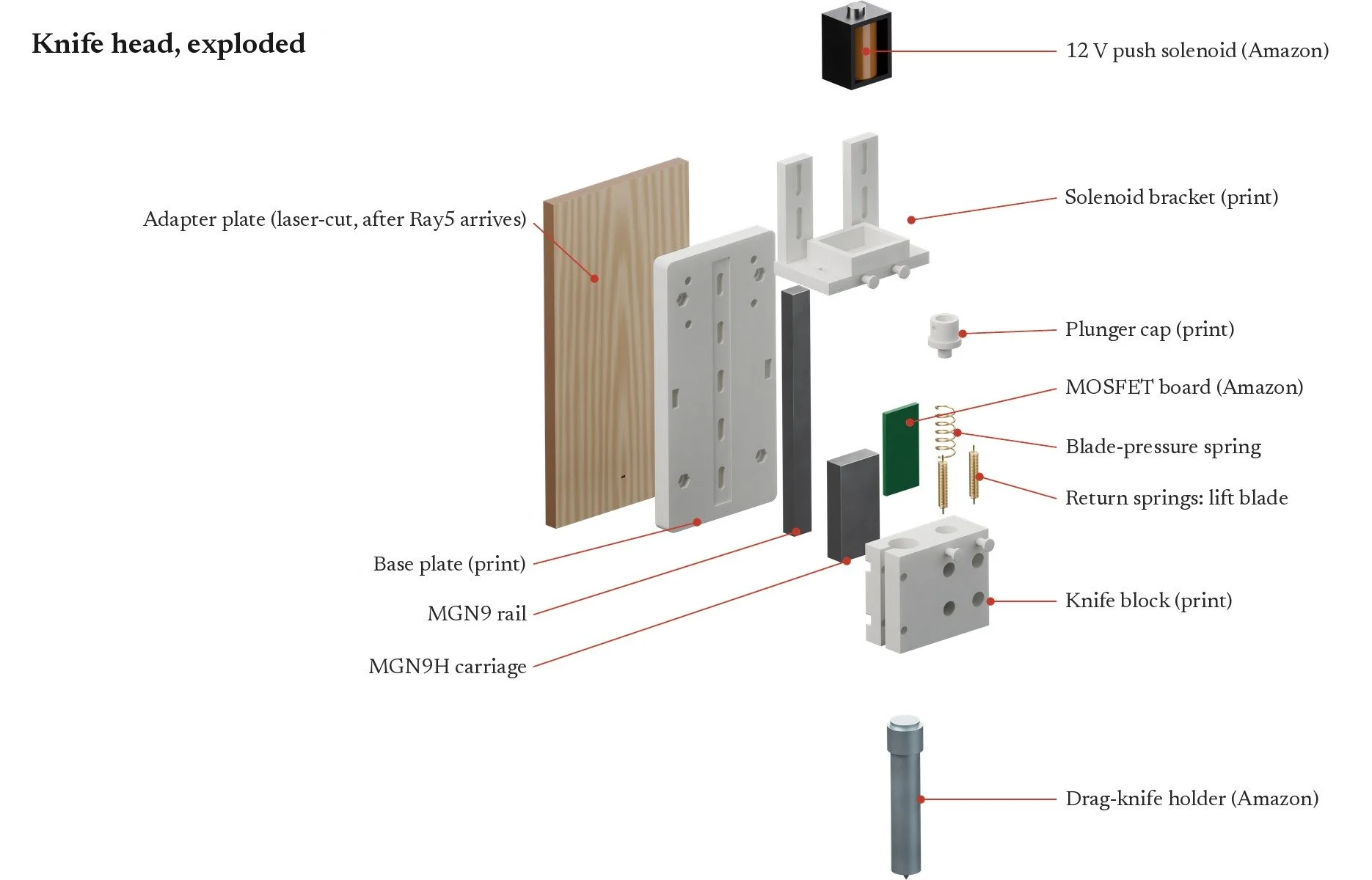
- Laser on. The PWM signal switches the MOSFET board, which powers the solenoid. The plunger drives the knife block down the MGN9 rail.
- Cutting. A compression spring between plunger and block sets the pressure. The swivel blade trails and steers itself; a small script adds the corner swivels and overcut.
What to buy
Eleven parts from Amazon / one of each / prices as carted, November 2026
 01Longer Ray5 10W laser engraver$280.43The motion system: frame, belts, steppers, controller and power supply. Its laser output becomes the blade signal.View on Amazon →
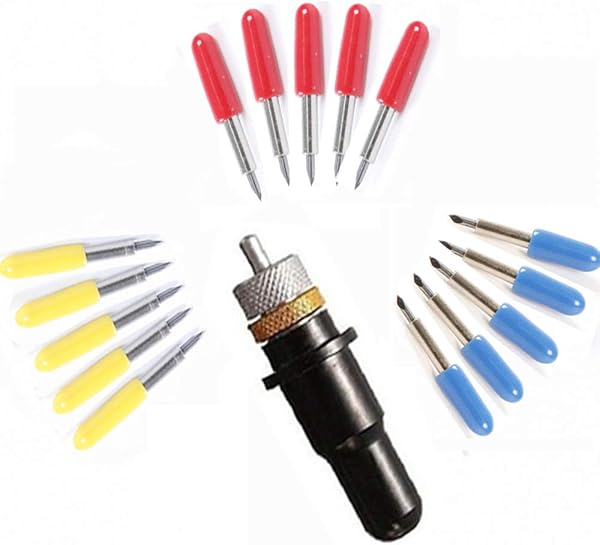 02F.L.S drag-knife holder + 15 blades$16.99The cutter. A Roland-style swivel blade that trails behind the holder and steers itself round curves.View on Amazon →
 03uxcell MGN9 rail + MGN9H carriage$12.79The up-and-down guide the knife block rides on.View on Amazon →
 0412 V push-pull solenoid, 10 mm stroke$9.99Pushes the blade down whenever the laser is on.View on Amazon →
 05Dual MOSFET trigger boards (5)$7.99Lets the laser’s PWM signal switch 12 V to the solenoid.View on Amazon →
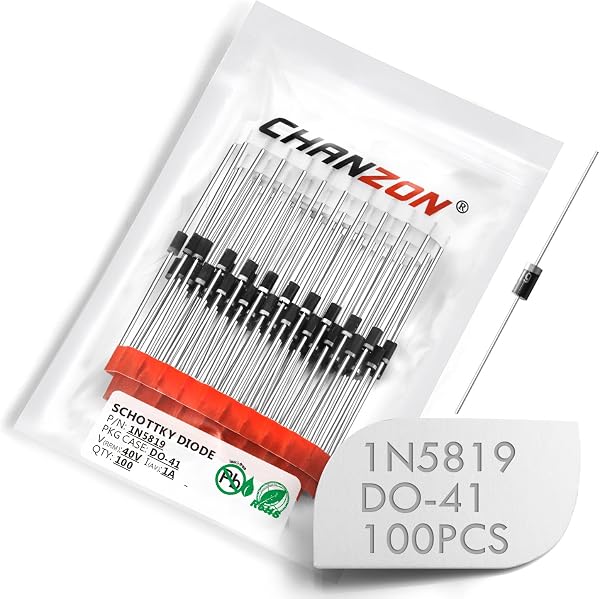 061N5819 Schottky diodes (100)$7.99One goes across the solenoid to soak up the kick when it switches off.View on Amazon →
 07Spring assortment, 400 pcs$16.99Two return springs lift the blade; one compression spring sets cutting pressure.View on Amazon →
 08M3 screw and nut kit, 960 pcs$14.99Holds the whole head together.View on Amazon →
 09WAGO 221 lever nuts (12)$12.45Tool-free wiring splices.View on Amazon →
 10SENTK self-healing mat, 24 × 36 in$27.99The cutting surface. Takes a full 36 × 18 in veneer sheet.View on Amazon →
 11Krylon Easy Tack spray$12.49Repositionable tack that holds veneer flat on the mat.View on Amazon →
Build kit
STL and STEP files, CAD source, the G-code script, GRBL settings and full build instructions / 4.2 MB zip
What to print
Five parts / SLS Nylon 12, white / Xometry, at list price
| Base plateCarries the rail and bolts to the gantry | $49.58 |
| Knife blockSplit clamp round the blade holder, rides the carriage | $37.40 |
| Solenoid bracketHolds the solenoid over the block | $29.59 |
| Plunger cap, 7 mmPresses the pressure spring | $7.84 |
| Plunger cap, 3 mmSame, for a 3 mm plunger | $7.89 |
| Printed parts | $132.30 |
Nylon 12 is stiff enough: blade drag on veneer is a few newtons. The one thing to watch is heat at the solenoid, which is why the blade runs at S600–700 instead of full power. The adapter plate that joins the head to the Ray5 is cut on the machine itself, so it costs nothing.
Price breakdown
$553.39 before tax / prices change, so check the links
| Ray5 gantry | 51% | $280.43 |
| Knife head hardware | 13% | $71.75 |
| Printed parts (list price) | 24% | $132.30 |
| Mat and tack | 7% | $40.48 |
| Electronics | 5% | $28.43 |
| Amazon subtotal | $421.09 | |
| Total | $553.39 |
Build it
Nine steps / an afternoon once the parts are in
- Build the Ray5 from its manual and check it moves and lasers normally in LightBurn or LaserGRBL.
- Bolt the MGN9 rail to the printed base plate. The holes are slotted so you can square it. Slide the carriage on.
- Clamp the blade holder in the knife block with an M3 screw across the split, then bolt the block to the carriage.
- Zip-tie the solenoid into its bracket, press the plunger cap on, and screw the bracket to the top of the base plate.
- Fit the compression spring between cap and block (blade pressure), and hook the two return springs from block to bracket (blade lift).
- Wire the laser’s PWM output to the MOSFET trigger, 12 V through the MOSFET to the solenoid, and the 1N5819 across the solenoid, stripe to +. Splice with WAGOs.
- Cut the adapter plate on the Ray5 itself while the laser head is still on, then mount the knife head beside it or in its place.
- Lay the mat on the bed, tack the veneer down, and set the blade so the tip clears one veneer thickness plus a hair.
- Draw cut lines in red, run svg2dragknife.py in.svg out.gcode --power 650, and send the G-code.
Settings
GRBL and G-code / LightBurn or LaserGRBL
- $32=0
- Laser mode off while cutting, so the solenoid stays on through moves. $32=1 to laser again.
- M3 S650
- Blade down at 60–70 % power: enough to pull the solenoid in without cooking it. M5 lifts.
- G4 P0.15
- Short dwell after M3 (and 0.12 s after M5) so the blade fully drops or lifts before moving.
- F1500
- About 25 mm/s to start. Two light passes beat one heavy one on figured veneer.
- 0.25 / 1.5 mm
- Blade offset for a 45° blade, and overcut to close shapes (script defaults).